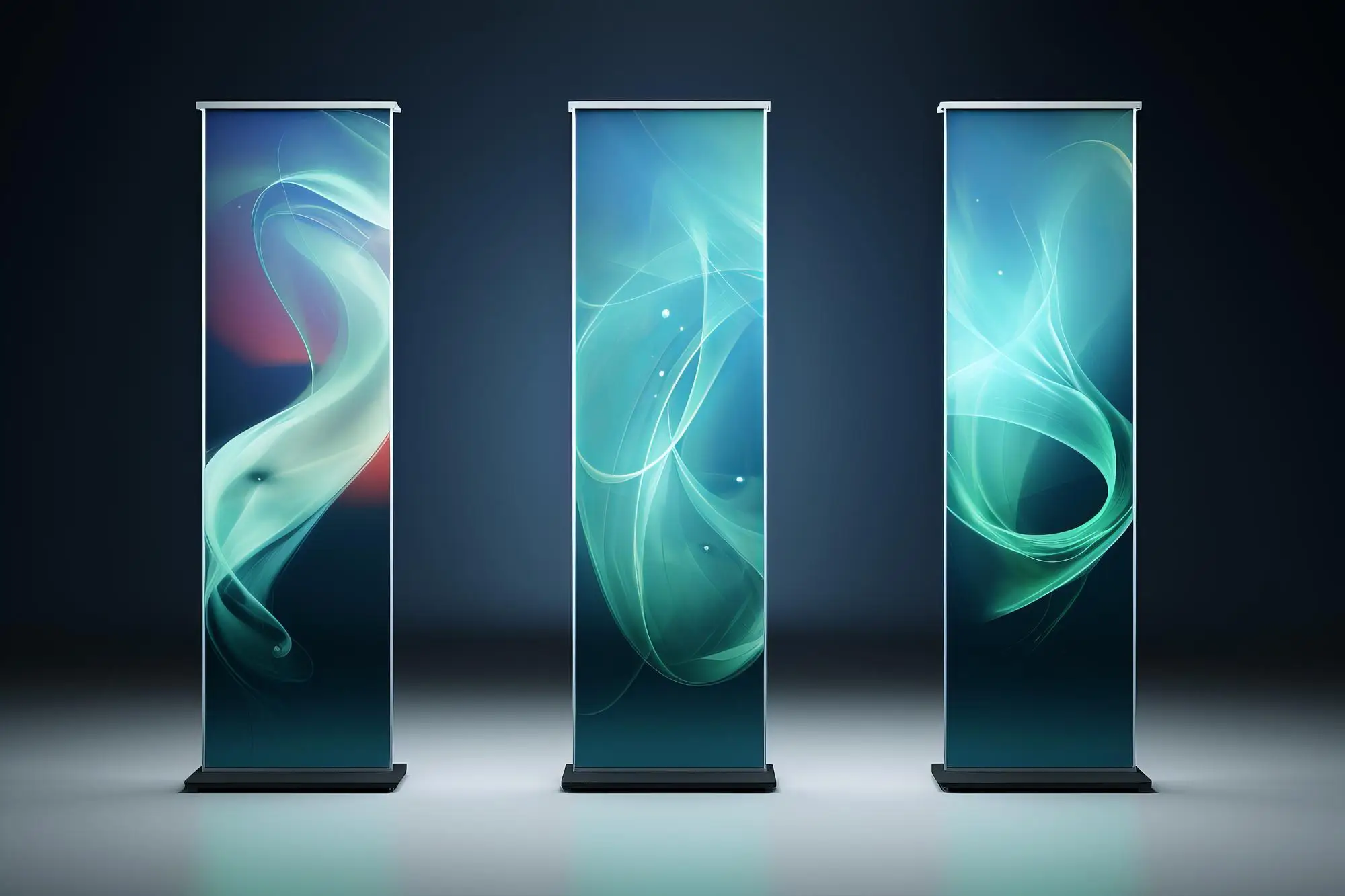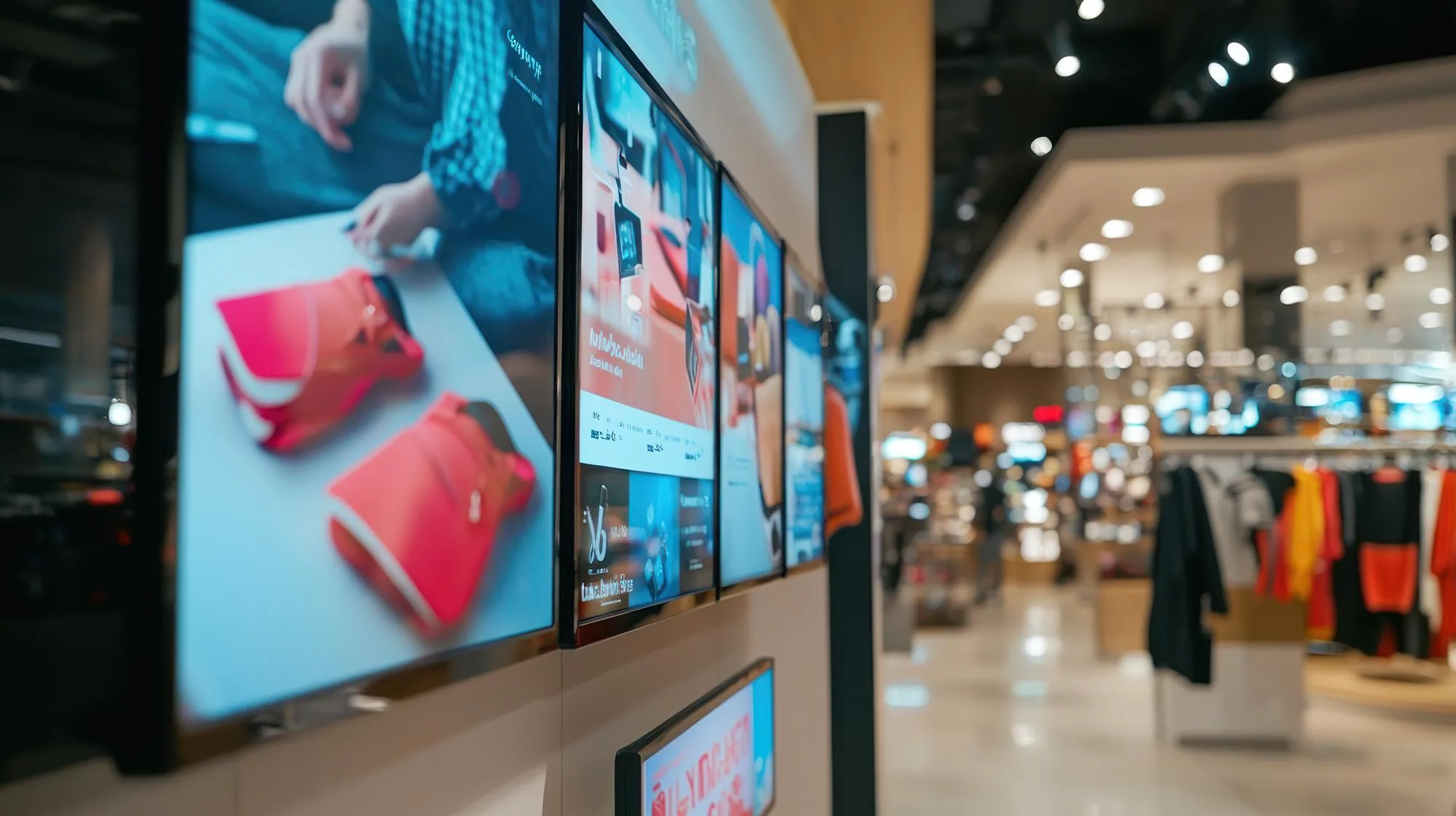
In the digital standee vs banner Malaysia debate, the honest answer is that neither wins outright. It depends on how often you update your message and how long you plan to use the display.
A printed banner costs less upfront and suits a one-off promotion or short event. A digital standee costs more initially but pays back over time if you need to change content regularly.
Key Takeaways
- Printed banners are cheaper per unit but need reprinting for every new campaign, adding up over time
- Digital standees cost more upfront but let you update content without additional printing costs
- Banners suit short-term promotions and events, while standees suit ongoing retail, hospitality or corporate use
- The right choice depends on how often your message changes and how long you’ll display it
The Real Cost Nobody Mentions
Printed banners look like the obvious budget choice, and for a single campaign, they usually are.
A standard PVC banner in common sizes can cost anywhere from around RM15 for a small piece to roughly RM100 for a larger format, depending on resolution and finishing.
Digital standees sit at a different price point entirely, with entry-level models starting from around RM2,499 and Windows-based units with built-in media players from around RM3,999.
That gap looks enormous on paper, but the comparison only makes sense once you weigh it against the total cost of ownership, including how many times you’ll need to reprint a banner over a year.
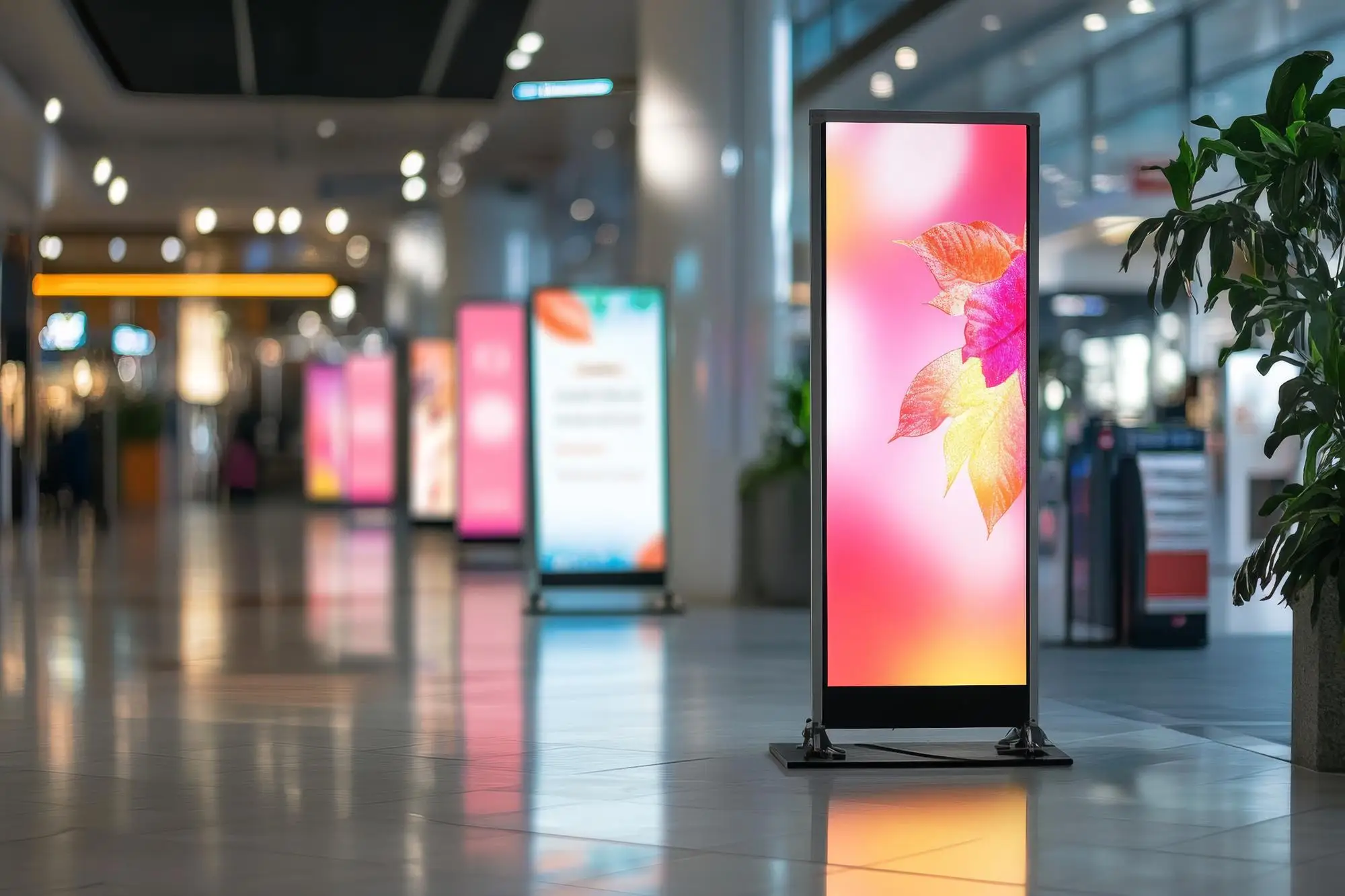
Digital Standee vs Banner: Side-by-Side
Here’s how the two options stack up across the factors that actually matter for day-to-day business use.
| Factor | Printed Banner | Digital Standee |
|---|---|---|
| Upfront cost | Low (roughly RM15 to RM100 per piece) | Higher (from around RM2,499) |
| Content updates | Requires reprinting each time | Updated via USB or content management software |
| Lifespan | Weeks to a few months, weather dependent if outdoors | Reusable over several years with proper care |
| Best suited for | Short promotions, events, roadshows | Retail, F&B, hospitality and corporate settings needing frequent updates |
| Setup | Simple, no electrical connection needed | Requires power and basic setup |
When Banners Still Win
Printed banners are not outdated. They still solve specific problems very well.
If you’re running a single-day promotion or a pop-up booth, a banner does the job without tying up capital in equipment you’ll only use once. Sales periods, festive promotions or limited-time offers rarely need a reusable screen.
Not every spot has an electrical socket nearby. Buntings and banners work anywhere, indoors or outdoors, without needing infrastructure.
For businesses testing a new location or trying signage for the first time, a low-cost banner is a reasonable way to start before committing to bigger investments.
When Digital Standees Pull Ahead
The moment your content changes more than once every few weeks, the maths starts shifting in favour of a screen.
No More Reprinting Every Time Pricing Changes
A digital standee lets you swap promotions, pricing or messaging without reprinting anything. For a retail outlet running weekly offers or a café updating its menu seasonally, this removes a recurring cost that banners simply cannot avoid.
Richer Content Than Print Can Offer
Digital standees also allow richer content. Video, animation and multiple promotions on rotation are simply not possible on a static printed surface.
Built for Long-Term, High-Traffic Spaces
For businesses in malls, showrooms or hotel lobbies where the display needs to look current and professional over a long period, this flexibility tends to matter more than the initial price tag.
Centralised Control Across Multiple Screens
Blupepper’s digital standee range comes in various sizes including 43, 49, 55 and 65 inch, all equipped with the same cloud-based content management software used across other Blupepper digital signage solutions.
This means updates can be scheduled and pushed centrally rather than handled screen by screen.
What Business Owners Get Wrong
The common assumption is that banners are always the cheaper option. That’s only true if you’re printing once and never again.
Run the same promotion cycle every month for a year, and the cost of repeated printing, delivery and disposal can quietly catch up with the price of a digital standee.
The opposite misconception also exists: that digital standees are only for large brands with big budgets. In practice, day-rental options exist for shorter campaigns, and smaller businesses can use standees for a single event without buying one outright.
There’s also a regulatory side that pricing pages rarely mention. Outdoor banners may need approval from local councils depending on placement, while indoor digital standees should meet basic electrical and fire safety standards.

Which One Should You Choose?
Think about how often your message changes and how long you’ll need the display.
- If you’re promoting a single event or a short seasonal sale, a printed banner remains a sensible, low-cost choice.
- If you’re running an ongoing retail, F&B, hospitality or corporate space where promotions rotate regularly, a digital standee is likely to serve you better over time, even with the higher starting cost.
- Some businesses use both. A banner for the shopfront during a specific campaign and a digital standee inside for everyday, evolving content.
If you’re weighing up your options and want to understand which digital standee size and setup would suit your space, Blupepper’s team can walk you through the specifics based on your location, content needs and budget.