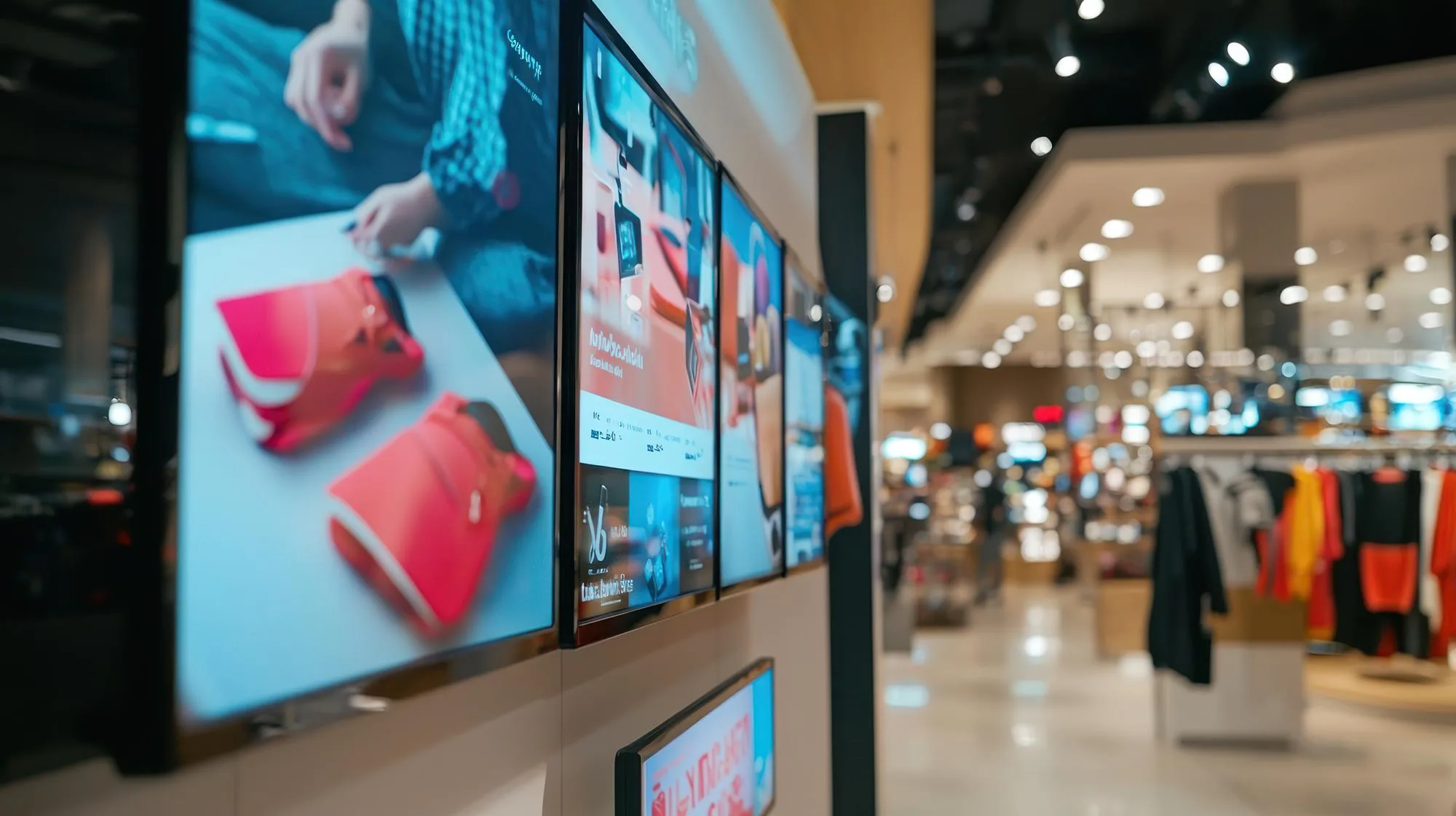
Digital displays are no longer just static advertising screens placed in retail stores or malls. In Malaysia, they are evolving into fully connected communication systems that integrate data, automation, and real-time content delivery.
This shift is reshaping how businesses communicate with customers across industries such as retail, hospitality, transportation, healthcare, and corporate environments.
The next wave of smart signage is not just about better screens. It is about smarter systems, faster updates, and more targeted communication.
Key Takeaways
- Digital displays are evolving into connected, data-driven communication platforms
- Real-time content updates are becoming a standard expectation across industries
- Cloud-based systems are enabling remote control and automation of signage networks
- Businesses are using smart signage to improve engagement and operational efficiency
- Demand for scalable digital signage solutions malaysia is accelerating across multiple sectors
Table of Contents
Why Digital Displays Are Evolving Beyond Static Screens
Traditional signage was static, manual, and slow to update.
Content changes required physical intervention, printing costs, and time delays. This limited flexibility and reduced responsiveness to real-time business needs.
Modern digital displays solve this problem by enabling:
- Instant content updates
- Centralised control across multiple locations
- Dynamic scheduling based on time, audience, or location
- Integration with live data sources
This transformation is turning signage into a real-time communication tool rather than a passive display.
What Is Driving the Next Wave of Smart Signage in Malaysia
Several key factors are accelerating adoption across Malaysia.
- Increased Demand for Real-Time Communication
Businesses now require faster messaging capabilities.
Examples include:
- Retail promotions that change daily
- Airport flight updates
- Hospital queue management systems
- Corporate announcements across branches
Static signage cannot support this level of responsiveness.
- Growth of Cloud Technology
Cloud-based platforms are redefining how digital signage is managed.
Benefits include:
- Remote content management from any location
- Centralised control across multiple screens
- Reduced reliance on on-site technical support
- Easier scalability for multi-branch businesses
This has made digital signage more accessible to SMEs as well as large enterprises.
- Integration With Data and Automation
Smart signage systems are increasingly connected to live data sources.
This allows:
- Automatic pricing updates in retail
- Weather-based advertising content
- Real-time social media feeds
- Performance-based content scheduling
Displays are no longer manually updated. They are dynamically driven by data inputs.
Cloud vs Traditional Systems in Digital Signage
The choice between cloud-based and on-premise systems remains a key decision for businesses.
Factor | Cloud-Based Signage | On-Premise Signage |
Content Control | Remote and centralised | Local system access |
Scalability | High and flexible | Limited by infrastructure |
Maintenance | Managed by provider | Internal IT required |
Deployment Speed | Fast setup | Longer installation process |
Best For | Multi-location businesses | High-security environments |
Most new deployments in Malaysia are shifting towards cloud-based systems due to flexibility and lower operational overhead.
How Businesses Are Using Smart Digital Displays Today
Across Malaysia, digital signage is being applied in more strategic ways.
Retail Sector
- Dynamic promotions based on time of day
- Product recommendations and upselling
- Inventory-linked advertising
Corporate Offices
- Internal communication dashboards
- KPI tracking and announcements
- Visitor information displays
Hospitality Industry
- Digital menus and pricing updates
- Event schedules and promotions
- Guest information systems
Transportation Hubs
- Real-time schedules and updates
- Passenger guidance systems
- Emergency messaging
The role of signage has expanded from advertising to operational communication.
The Shift Toward Personalised and Interactive Content
Modern digital displays are becoming more interactive and personalised.
Emerging capabilities include:
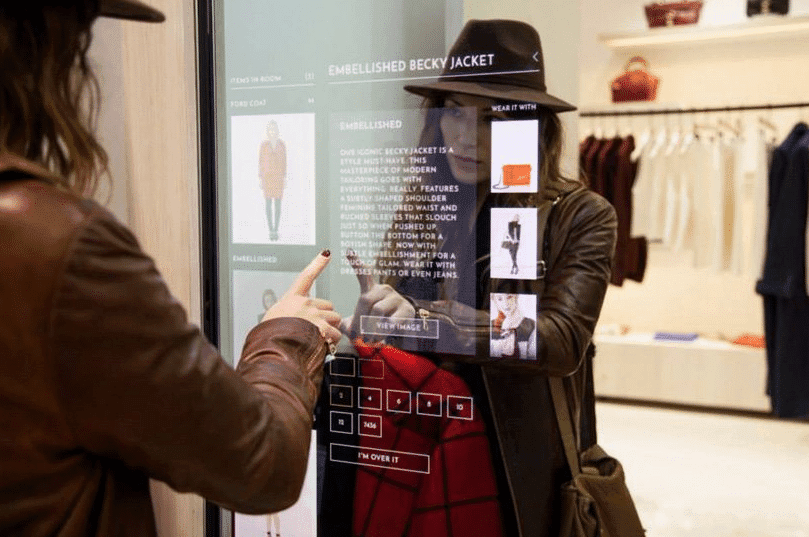
- Touchscreen interaction
- QR code integration
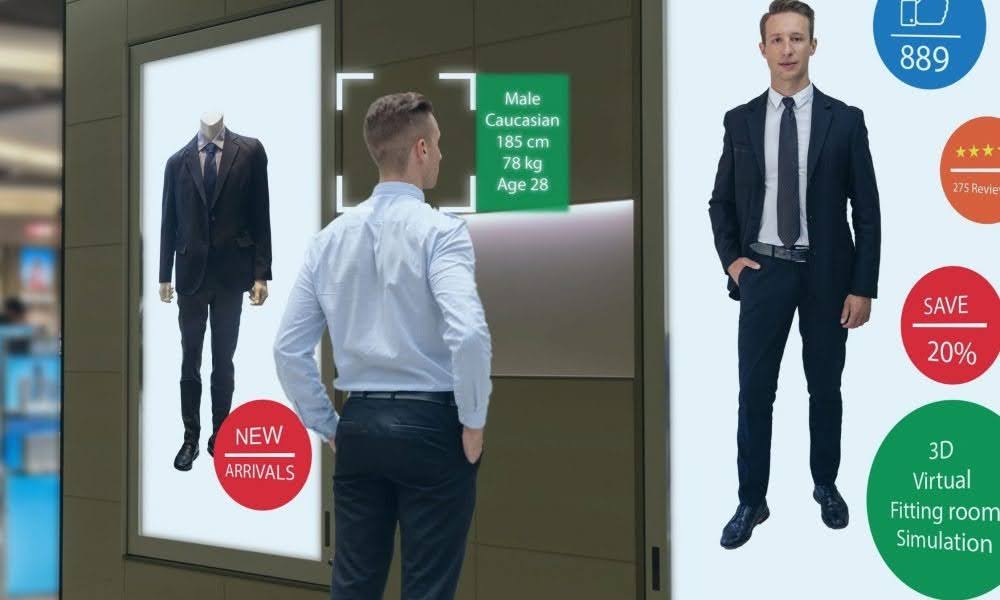
- Audience-based content targeting
- AI-driven content selection
This allows businesses to deliver more relevant messaging instead of generic advertisements.
Personalisation improves engagement and increases conversion potential.
Challenges in Digital Signage Adoption
Despite growth, businesses still face challenges.
- High initial setup costs for advanced systems
- Content management complexity for large networks
- Need for reliable internet connectivity
- Staff training requirements for system usage
However, these challenges are gradually being reduced through improved software platforms and managed service providers.
The Future Direction of Smart Signage in Malaysia
The future of digital displays is moving toward full automation and intelligence.
Expected developments include:
- AI-powered content optimisation
- Integration with customer behaviour analytics
- Fully automated scheduling systems
- Seamless omnichannel marketing integration
Digital signage will increasingly function as part of a broader digital ecosystem rather than a standalone tool.
Conclusion
The future of digital displays in Malaysia is being shaped by connectivity, automation, and real-time data integration.
What was once a static communication tool is now becoming a dynamic system that supports marketing, operations, and customer engagement simultaneously.
As demand grows, businesses are increasingly adopting scalable and intelligent digital signage solutions malaysia to stay competitive and responsive in a fast-changing environment.
The next wave of smart signage is not just visual. It is intelligent, connected, and continuously evolving.