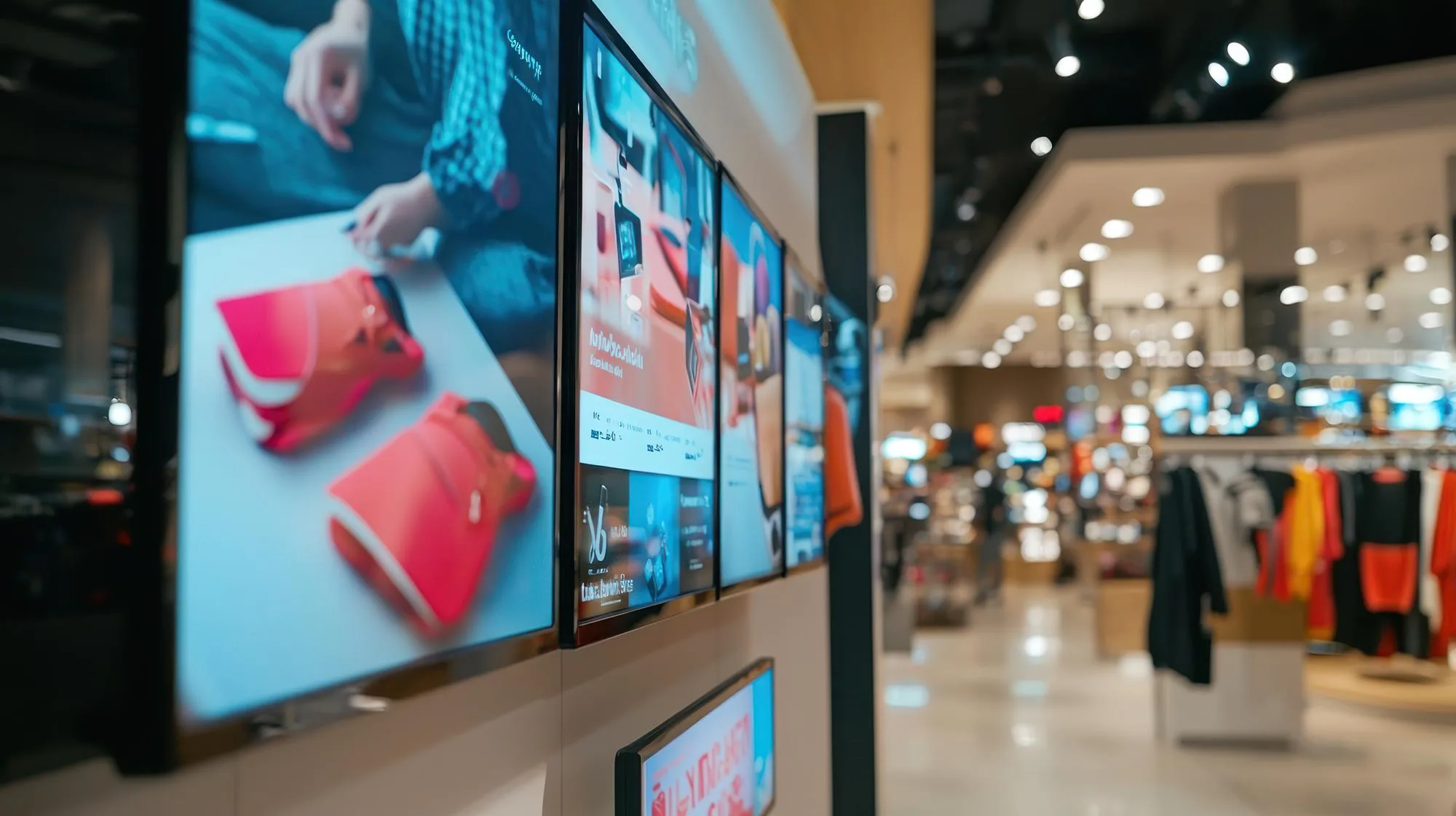
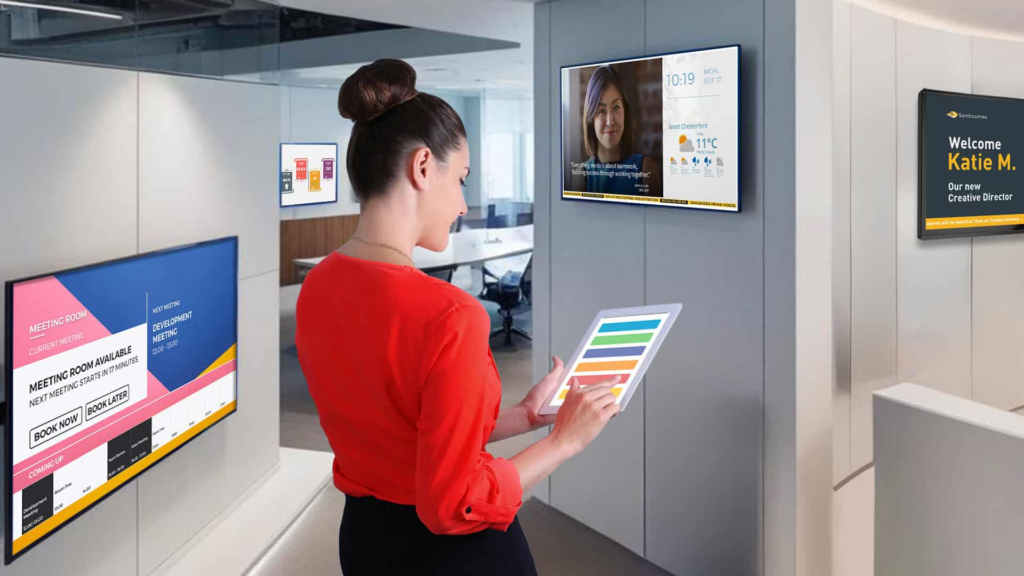
Managing multiple digital displays manually becomes difficult very quickly, especially for businesses operating across several locations.
Updating promotions one screen at a time, sending staff onsite for content changes, or relying on USB uploads is no longer practical for modern operations. This is why remote digital signage management has become a core requirement for businesses using display networks today.
With cloud-based systems, businesses can now control screens, schedule content, monitor performance, and deploy updates across multiple locations from a single platform.
For companies working with a professional digital signage company Malaysia, remote management is no longer considered an advanced feature. It is becoming the standard operating model for scalable digital communication.
This article explains how remote digital signage management works, why businesses are adopting it, and what features matter most when managing display networks efficiently.
Key Takeaways
- Remote management allows businesses to control multiple displays centrally
- Cloud-based systems improve operational efficiency and scalability
- Content scheduling reduces manual intervention
- Monitoring systems help identify display issues quickly
- Professional signage providers support integration, maintenance, and long-term management
Table of Contents
Why Remote Management Matters for Digital Signage
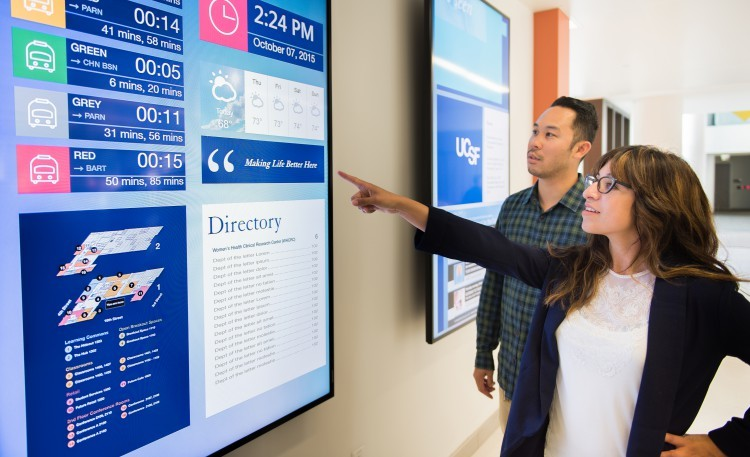
As businesses expand display usage, manual management becomes inefficient.
Without remote systems, businesses often face:
- Delayed content updates
- Inconsistent messaging across locations
- Increased labour requirements
- Higher operational costs
- Slower response times for promotions or announcements
Remote management solves these problems by centralising control.
What Remote Digital Signage Management Actually Means
Remote management refers to controlling digital displays from a central software platform without physically accessing the screen location.
This typically includes:
- Uploading new content
- Scheduling display times
- Monitoring screen status
- Restarting systems remotely
- Managing multiple locations simultaneously
Modern systems are usually cloud-based, allowing access from laptops, tablets, or mobile devices.
How Cloud-Based Signage Platforms Work
Most modern digital signage systems operate through cloud infrastructure.
The process is usually straightforward:
- Content is uploaded to the management platform
- The system distributes files to connected screens
- Schedules determine when content appears
- Updates can be pushed instantly across networks
This eliminates the need for manual USB transfers or onsite content replacement.
Why Businesses Prefer Centralised Screen Control
Centralised control improves consistency significantly.
Businesses can manage:
- Retail promotions
- Corporate messaging
- Event announcements
- Menu board updates
- Advertising campaigns
across multiple branches simultaneously.
This is especially useful for companies operating nationwide display networks.
Content Scheduling Reduces Operational Workload
One of the most useful features in remote signage systems is scheduling automation.
Businesses can pre-plan:
- Daily promotions
- Weekend campaigns
- Seasonal advertisements
- Time-sensitive announcements
- Region-specific messaging
Once schedules are configured, displays update automatically without manual intervention.
Real-Time Updates Improve Business Agility
Modern businesses often need rapid communication changes.
Examples include:
- Flash sales
- Emergency announcements
- Inventory updates
- Event schedule changes
- Live promotional campaigns
Remote management allows updates to appear across displays within minutes rather than hours or days.
Monitoring and Diagnostics Help Reduce Downtime
Professional digital signage systems often include monitoring tools that track:
- Screen connectivity
- Playback status
- Device health
- System errors
- Offline displays
This allows businesses and their digital signage company Malaysia partner to identify problems early before they disrupt operations significantly.
Why Network Stability Matters
Remote signage depends heavily on stable infrastructure.
Reliable systems typically require:
- Stable internet connectivity
- Secure cloud access
- Proper device management
- Commercial-grade media players
- Reliable display hardware
Weak infrastructure can affect content delivery consistency.
Security Is Increasingly Important
As signage systems become cloud-connected, cybersecurity becomes more relevant.
Professional signage providers usually implement:
- User permission controls
- Encrypted access systems
- Secure login protocols
- Device authentication
- Controlled content publishing rights
This helps prevent unauthorized access or accidental content errors.
Different Industries Use Remote Signage Differently
Remote signage management adapts to different operational needs.
Retail and Shopping Centres
Retail environments often use remote systems for:
- Promotional campaigns
- Product launches
- Dynamic pricing
- Seasonal content
Fast updates improve marketing responsiveness significantly.
Corporate Offices
Corporate environments may use signage systems for:
- Internal communication
- Meeting room displays
- Company announcements
- Visitor information systems
Restaurants and F&B Businesses
Digital menu boards are commonly updated remotely for:
- Price changes
- Limited-time offers
- Menu availability
- Promotional campaigns
Why Professional Setup Matters
Remote signage systems are only effective when properly configured.
A professional digital signage company Malaysia typically assists with:
- Display planning
- System integration
- Cloud platform setup
- Content workflow configuration
- Device management
- Technical maintenance
This ensures the system remains scalable and operationally stable.
How Blupepper Supports Modern Signage Management
Blupepper supports businesses through digital signage solutions focused on modern communication, remote content management, and scalable display systems.
Their solutions are designed to help businesses manage display networks more efficiently through structured deployment, centralized control, and integrated signage technologies suitable for retail, corporate, hospitality, and commercial environments.
Final Thoughts
Remote digital signage management has become essential for businesses operating modern display networks.
Cloud-based systems allow organisations to control content, manage campaigns, monitor displays, and maintain communication consistency across multiple locations from a single platform.
As display ecosystems continue expanding, working with an experienced digital signage company Malaysia helps businesses build systems that remain scalable, stable, and operationally efficient over the long term.