Customer expectations have changed significantly over the past decade.
People no longer respond the same way to static posters, printed notices, or traditional promotional boards. Modern audiences expect communication to feel faster, more interactive, visually engaging, and constantly updated.
This shift is why businesses across retail, corporate environments, hospitality, transportation, and commercial spaces are moving from static displays toward dynamic digital systems.
Modern displays are no longer simply decorative screens. They actively shape customer perception, influence behaviour, improve communication flow, and enhance overall experience.
For companies investing in digital communication solutions through providers like Blupepper Singapore, the focus is increasingly about creating smarter customer experiences rather than just installing displays.
This article explores how dynamic displays are transforming customer engagement and why businesses are rapidly evolving beyond static communication methods.
Key Takeaways
- Customer expectations now favour dynamic and real-time communication
- Digital displays improve engagement, responsiveness, and visual impact
- Modern signage systems allow businesses to update messaging instantly
- Interactive and dynamic content creates stronger customer experiences
- Businesses increasingly use display systems as communication infrastructure rather than advertising alone
Why Static Displays Are Becoming Less Effective
Static displays still serve certain purposes, but they have clear limitations.
Traditional printed materials cannot easily:
- Update information instantly
- Adapt to audience behaviour
- Deliver time-sensitive content
- Support dynamic promotions
- Create interactive engagement
Once printed, the content remains fixed until physically replaced.
In fast-moving commercial environments, this lack of flexibility becomes a major operational limitation.
What Makes Modern Displays “Dynamic”
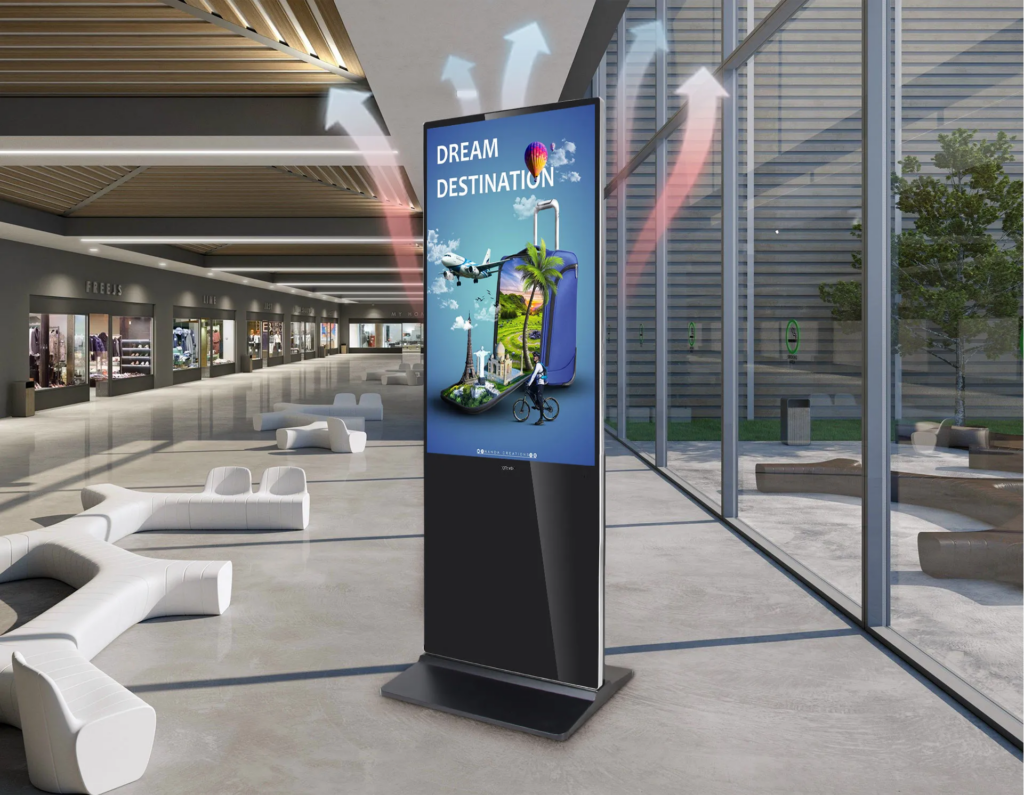
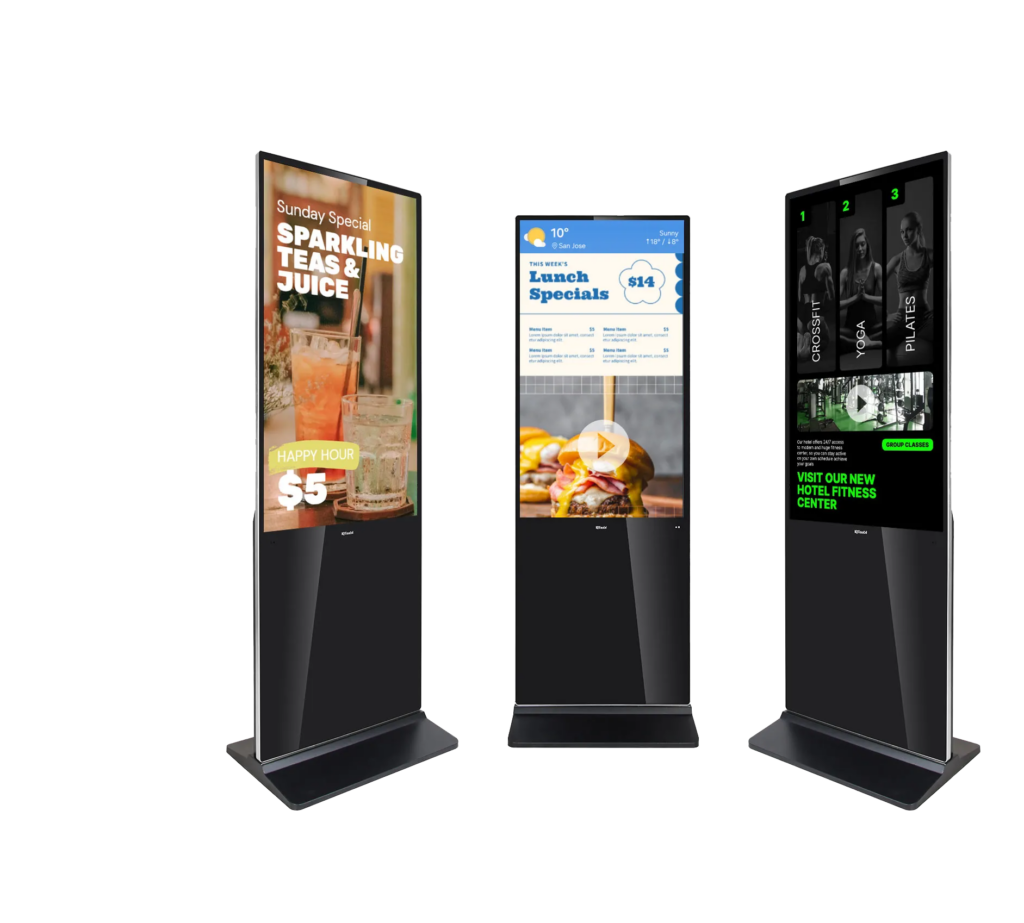
Dynamic displays use digital systems that allow content to change, adapt, and update in real time.
This may include:
- Promotional rotations
- Live announcements
- Interactive touch displays
- Motion graphics
- Scheduled campaigns
- Real-time data integration
Unlike static communication, dynamic displays continuously evolve alongside business operations.
Customer Attention Has Become Harder to Capture
Modern consumers are constantly exposed to information.
As a result, businesses now compete heavily for visual attention.
Dynamic displays are more effective because they can:
- Use movement and animation
- Rotate content automatically
- Deliver brighter visual presentation
- Adapt messaging based on timing or location
Motion and changing visuals naturally attract more attention than static printed boards.
Real-Time Communication Improves Customer Experience
One of the biggest advantages of digital displays is communication speed.
Businesses can instantly update:
- Promotions
- Queue information
- Event schedules
- Product availability
- Announcements
- Safety notifications
This improves customer convenience while reducing confusion and outdated information.
Retail Environments Are Leading the Shift
Retail businesses increasingly rely on dynamic displays to improve engagement.
Modern retail displays support:
- Seasonal promotions
- Product storytelling
- Interactive browsing
- Cross-selling opportunities
- Brand experience consistency
Digital communication also allows retailers to react quickly to changing campaigns or inventory conditions.
Hospitality and F&B Benefit From Faster Content Updates
Restaurants and hospitality businesses increasingly use digital systems for:
- Menu board updates
- Promotional campaigns
- Reservation information
- Wayfinding systems
- Customer announcements
This flexibility helps businesses respond more efficiently to operational changes throughout the day.
Corporate Spaces Are Using Displays Beyond Advertising
In corporate environments, displays now support internal communication as much as external branding.
Modern office display systems may handle:
- Visitor information
- Meeting schedules
- Employee communication
- Corporate announcements
- Performance dashboards
This transforms displays into part of operational workflow infrastructure.
Interactive Experiences Are Becoming More Important
Modern customer engagement increasingly values interaction rather than passive viewing.
Interactive display systems may include:
- Touchscreen navigation
- Product exploration tools
- Self-service kiosks
- Directory systems
- Interactive presentations
These systems encourage active engagement rather than one-way communication.
Why Consistency Across Locations Matters
Businesses operating multiple locations need communication consistency.
Dynamic signage systems help standardise:
- Branding
- Campaign messaging
- Promotional timing
- Customer experience quality
Centralised content management ensures customers receive consistent communication regardless of branch location.
Cloud-Based Systems Make Modern Displays Scalable
Cloud infrastructure allows businesses to manage display networks remotely.
This enables:
- Centralised control
- Instant updates
- Scheduled campaigns
- Multi-location management
- Real-time monitoring
Scalability is becoming one of the most important advantages of modern digital display systems.
The Role of Software Behind the Experience
Display quality alone does not determine customer experience.
The software ecosystem controls:
- Content scheduling
- Playback reliability
- Screen synchronisation
- Interactive functionality
- Remote management
Strong software infrastructure ensures displays remain smooth, stable, and operationally efficient.
Why Businesses Are Investing in Experience Rather Than Just Advertising
The role of displays is evolving.
Businesses increasingly view digital systems as tools for:
- Customer engagement
- Operational efficiency
- Communication improvement
- Brand perception
- Experience enhancement
The objective is no longer simply showing advertisements. It is shaping how customers interact with the environment itself.
How Blupepper Supports Modern Display Solutions
Blupepper Singapore provides digital display and signage solutions designed to support modern communication environments across retail, corporate, hospitality, and commercial industries.
Their solutions focus on scalable display ecosystems, content management, and integrated digital communication systems that help businesses transition from static messaging toward more dynamic customer engagement experiences.
Final Thoughts
Modern displays are changing how businesses communicate with customers entirely.
As audiences increasingly expect faster, more interactive, and visually engaging experiences, static communication methods continue losing effectiveness in many commercial environments.
Dynamic display systems allow businesses to communicate in real time, adapt content instantly, improve engagement, and create more connected customer experiences across physical spaces.
The shift from static to dynamic is no longer simply a technology trend. It is becoming a core part of how modern businesses shape customer perception and interaction.