
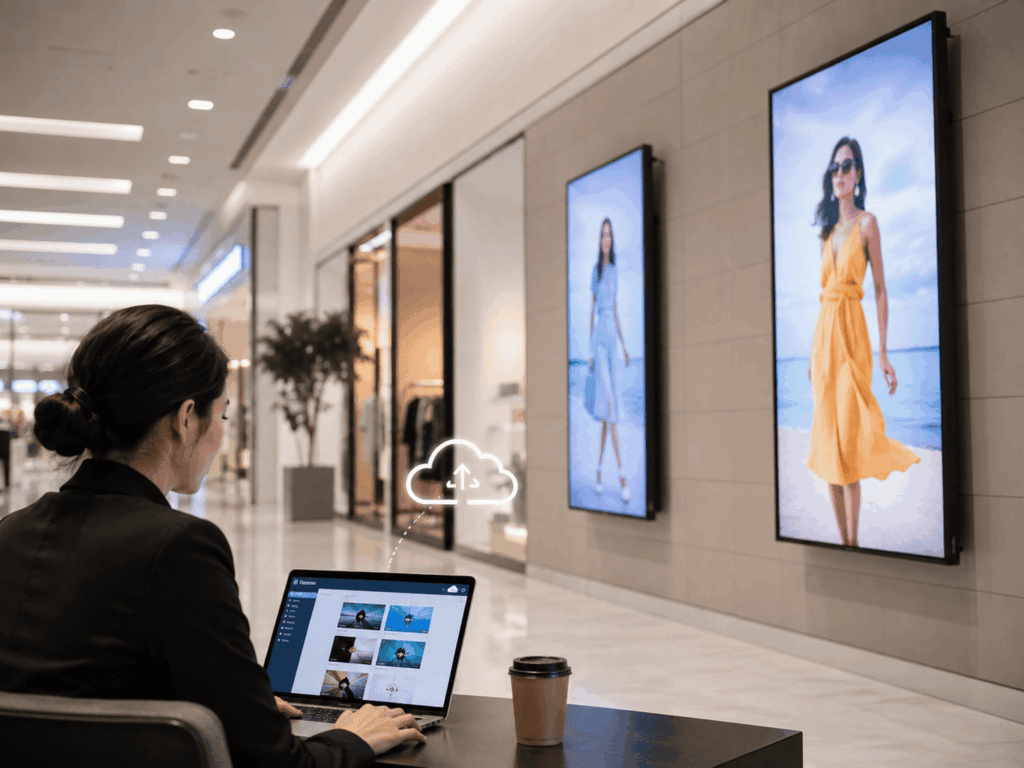
Singapore businesses are under constant pressure to communicate faster, update content more often, and manage more locations with fewer resources. That pressure is exactly why cloud-based digital signage has become the standard choice for retail chains, F&B brands, offices, and transport hubs across the island.
Unlike older signage setups that relied on USB drives and onsite updates, cloud based digital signage Singapore solutions let businesses control every screen from a single dashboard, anywhere with an internet connection. This guide explains what cloud-based signage actually is, how it compares to traditional setups, and what to look for before choosing a provider.
Whether you are running a single café or managing screens across dozens of outlets, understanding how cloud signage works will help you avoid costly missteps and choose a system that scales with your business.
Key Takeaways
- Cloud-based signage lets businesses manage screens remotely from any device
- Content updates, scheduling, and monitoring all happen through a central dashboard
- Cloud systems scale more easily than traditional on-premise setups
- Security, uptime, and offline playback are key factors when choosing a platform
- Different industries in Singapore use cloud signage for very different purposes
What Is Cloud-Based Digital Signage?
Cloud-based digital signage refers to a system where content management, scheduling, and screen control all happen through an online platform rather than local hardware or onsite servers. Instead of plugging in a USB drive every time content needs to change, businesses upload content once to the cloud, and it gets pushed out to every connected screen automatically.
This model works through three simple stages:
- Upload content (images, videos, menus, promotions) to the cloud platform
- Schedule when and where each piece of content should appear
- Deploy updates instantly across one screen or hundreds, from any device
Why Singapore Businesses Are Moving to Digital Cloud Signage
Singapore’s retail and F&B landscape moves quickly, with frequent promotions, price changes, and seasonal campaigns. Cloud-based systems suit this pace far better than older alternatives because they remove the lag between deciding on a change and seeing it appear on screen.
- Faster promotional updates across multiple outlets
- Lower long-term operating costs compared to manual content swaps
- Centralised oversight for brands with several locations
- Reduced reliance on onsite staff for routine content changes
Cloud-Based vs Traditional Digital Signage
|
Key Features to Look For in a Cloud Signage Platform
Not all cloud signage platforms offer the same depth of functionality. Before committing to a provider, check whether the platform supports:
- Remote scheduling and multi-location management
- Real-time screen status monitoring (online, offline, error alerts)
- Multi-user access with permission controls for different teams
- Offline playback, so screens keep running during internet outages
- Support for multiple media formats, including video, images, and live feeds
Security Matters More Than Most Businesses Realise
Because cloud signage platforms are connected to the internet, security is not optional. A reliable platform should offer encrypted connections between your devices and the cloud server, controlled access for different staff roles, and protection against unauthorised content changes.
This becomes especially important for businesses managing screens across multiple outlets, where a single compromised login could affect every connected location at once.
How Different Industries in Singapore Use Cloud Signage
Cloud-based signage adapts to a wide range of business types, each with its own priorities:
- Retail stores use it for promotions, pricing updates, and seasonal campaigns
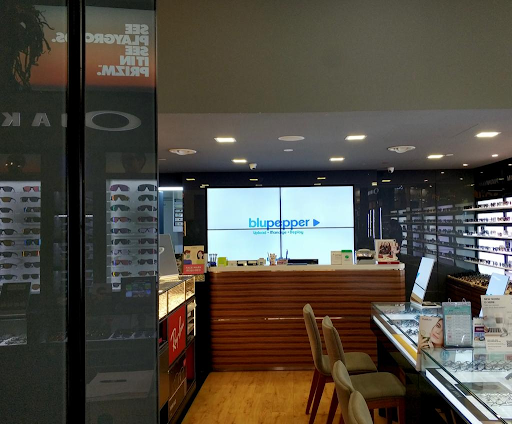
- Cafés and restaurants rely on it for digital menu boards and daily specials
- Offices use it for internal communication, meeting room schedules, and visitor information
- Shopping malls and transport hubs use it for wayfinding, announcements, and real-time updates
Retail businesses in particular stand to gain a lot from switching, and it is worth understanding the specific benefits of cloud-based digital signage for retail stores before planning a rollout across multiple outlets.
Cloud Signage in High-Traffic Spaces
High-footfall environments such as shopping malls place extra demands on a signage system, since content needs to update quickly and remain visible to a constantly moving crowd. For a closer look at how this plays out in practice, see how digital signage elevates the mall experience for shoppers across Singapore.
Common Mistakes Businesses Make
Even with the right platform, businesses can run into avoidable problems if the system is poorly planned or implemented. Common issues include:
- Underestimating bandwidth needs
- Skipping proper staff training
- Choosing software that does not scale well as more screens are added.
Before rolling out a cloud signage system, it is worth reviewing some of the common digital signage mistakes Singapore businesses make, so you can avoid the same pitfalls from the outset.
Getting Started: What Setup Actually Involves
Setting up a cloud signage system is usually more straightforward than businesses expect, but it still involves a few key steps:
- Choosing the right screens
- Configuring the CMS
- Connecting devices to the network
- Testing playback before going live.
For businesses planning their first rollout, understanding the basics of setting up cloud digital signage in Singapore helps clarify what needs to be prepared before installation, from screen placement to content scheduling and network readiness.
Final Thoughts
Cloud-based digital signage has moved from being a nice-to-have to a practical necessity for Singapore businesses that need to update content quickly, manage multiple locations, and keep operating costs under control. The right platform should offer reliable remote management, strong security, and room to scale as your business grows.
Not sure which setup suits your business? Speak with the Blupepper team to explore the right digital signage solution.