Choosing an LED display is not simply about finding the biggest or brightest screen.
The right option depends on where the display will be installed, how far people will view it, what content it will show and the conditions it needs to operate in.
This guide explains the main LED digital signage options available to businesses in Malaysia and the factors to consider before choosing one.
Key Takeaways
- Indoor and outdoor LED displays serve different environments and require different specifications for brightness, weather resistance and viewing distance.
- Pixel pitch determines image detail at close range; smaller pitch suits closer viewing, larger pitch works for longer distances.
- The right LED display depends on your space, content type, ambient light, viewing distance and maintenance access, not just the highest specification.
- Common mistakes include choosing the smallest pixel pitch without considering viewing distance, ignoring installation environment and overlooking content management needs.
What Is LED Digital Signage?
LED digital signage uses an LED display to show dynamic content such as promotional videos, brand messaging, announcements, menus, wayfinding and advertising.
Unlike static signage, LED screens allow businesses to update content in real time, schedule campaigns and display multiple messages throughout the day.
For Malaysian businesses, digital signage in Malaysia has become a practical tool for retail stores, shopping malls, restaurants, corporate offices and building façades.
Indoor vs Outdoor LED Digital Signage
The most fundamental decision when selecting an LED display is whether it will be installed indoors or outdoors.
Each environment places different demands on the display hardware, and choosing the wrong type can lead to poor visibility, shortened lifespan or unnecessary expense.
| Factor | Indoor LED | Outdoor LED |
|---|---|---|
| Typical environment | Retail stores, malls, offices, showrooms | Building façades, roadside areas, public spaces |
| Viewing distance | Generally closer | Generally further |
| Brightness | Designed for controlled indoor lighting | Requires stronger visibility in daylight |
| Weather exposure | Limited | Must account for rain, heat and humidity |
| Main priority | Image detail and viewing comfort | Visibility and environmental durability |
| Common use | Branding, promotions, presentations | Advertising, announcements, large-format messaging |
Indoor LED Digital Signage
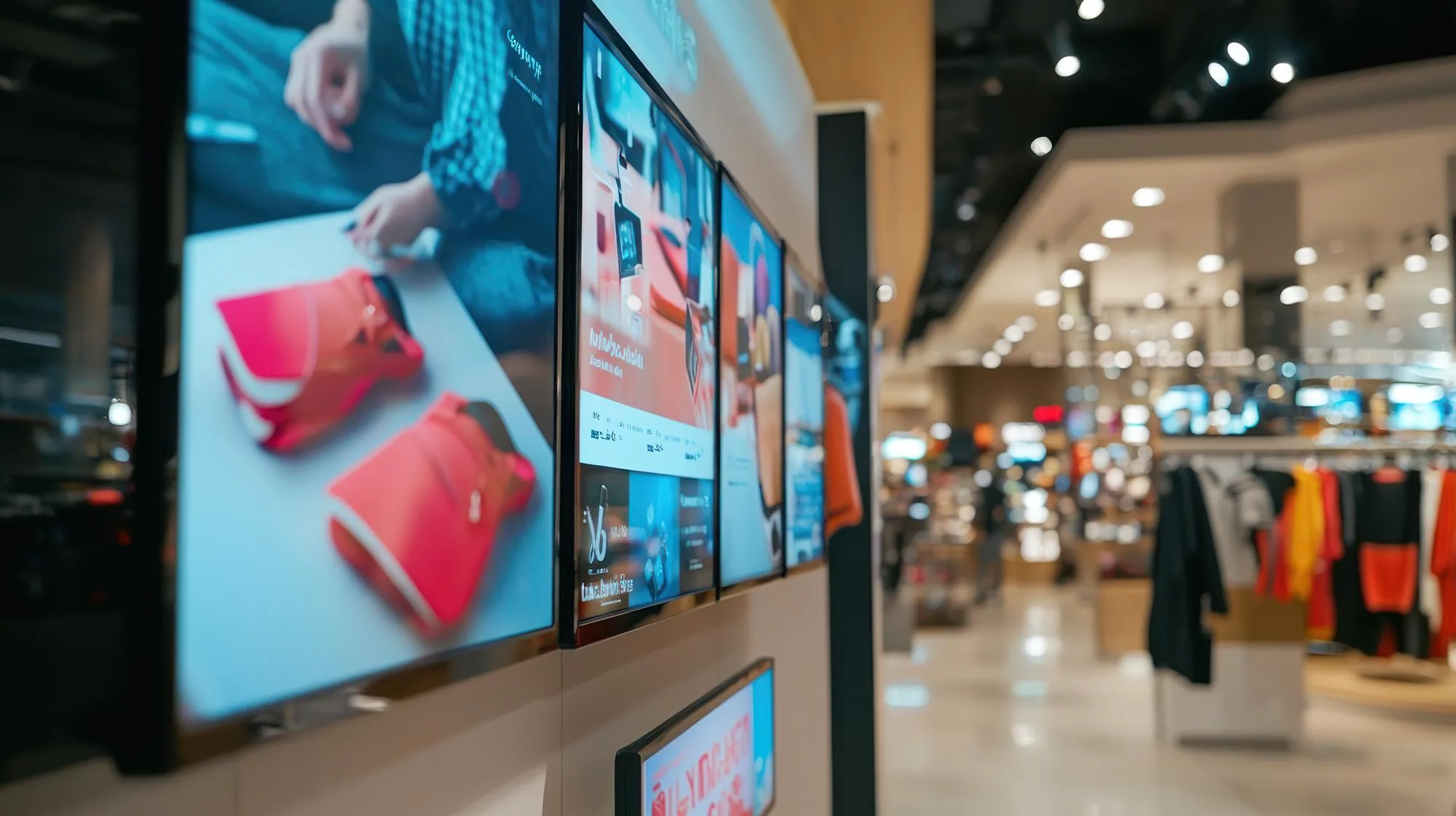
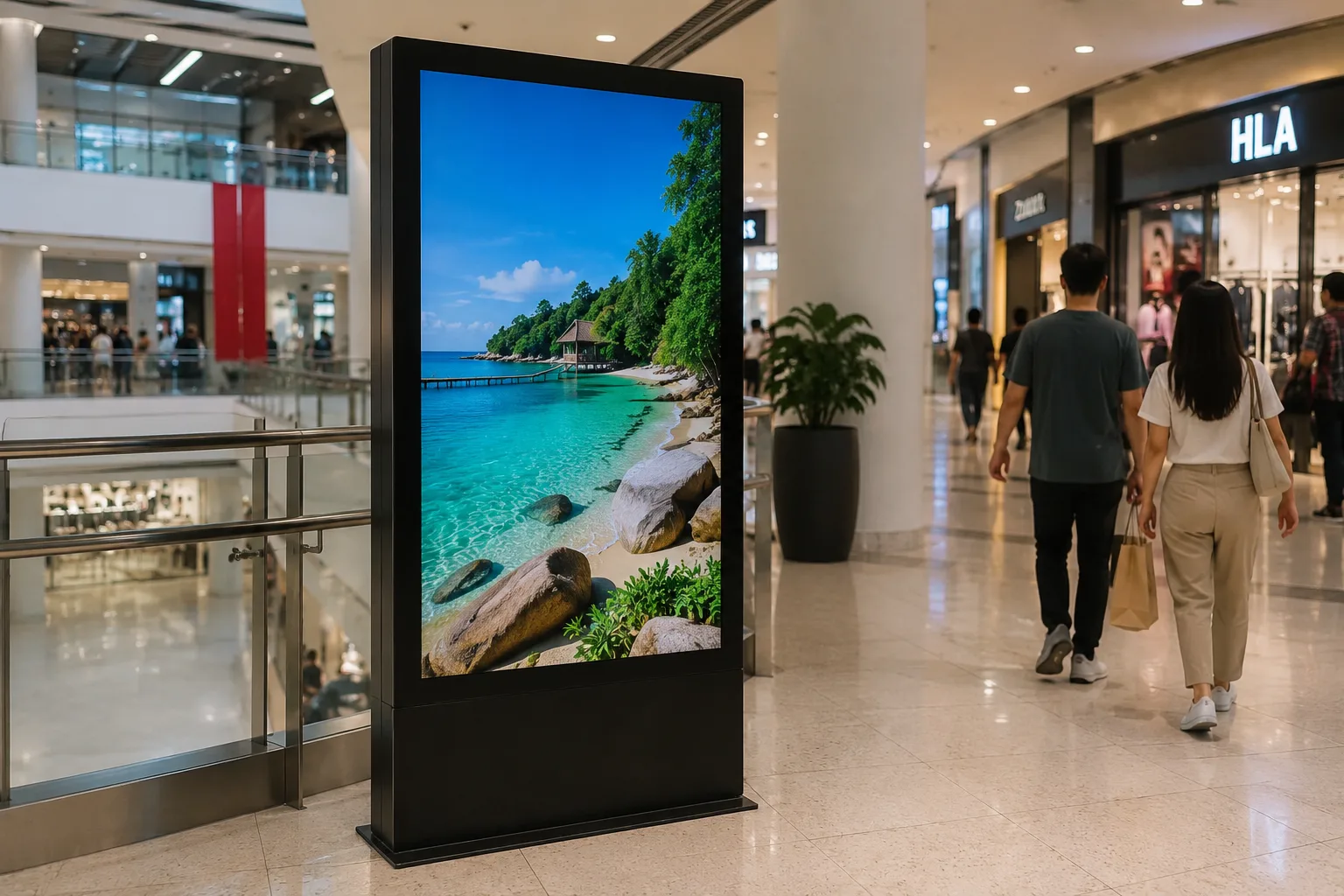
Indoor LED displays are designed for environments where lighting is controlled and viewers are typically closer to the screen.
Shopping malls, retail stores, corporate lobbies, showrooms and restaurants commonly use indoor LED screens to engage customers with:
- Product displays
- Promotional content
- Brand messaging
Because viewers stand closer to indoor displays, these screens often require finer pixel pitch to deliver clear, detailed images.
Outdoor LED Digital Signage
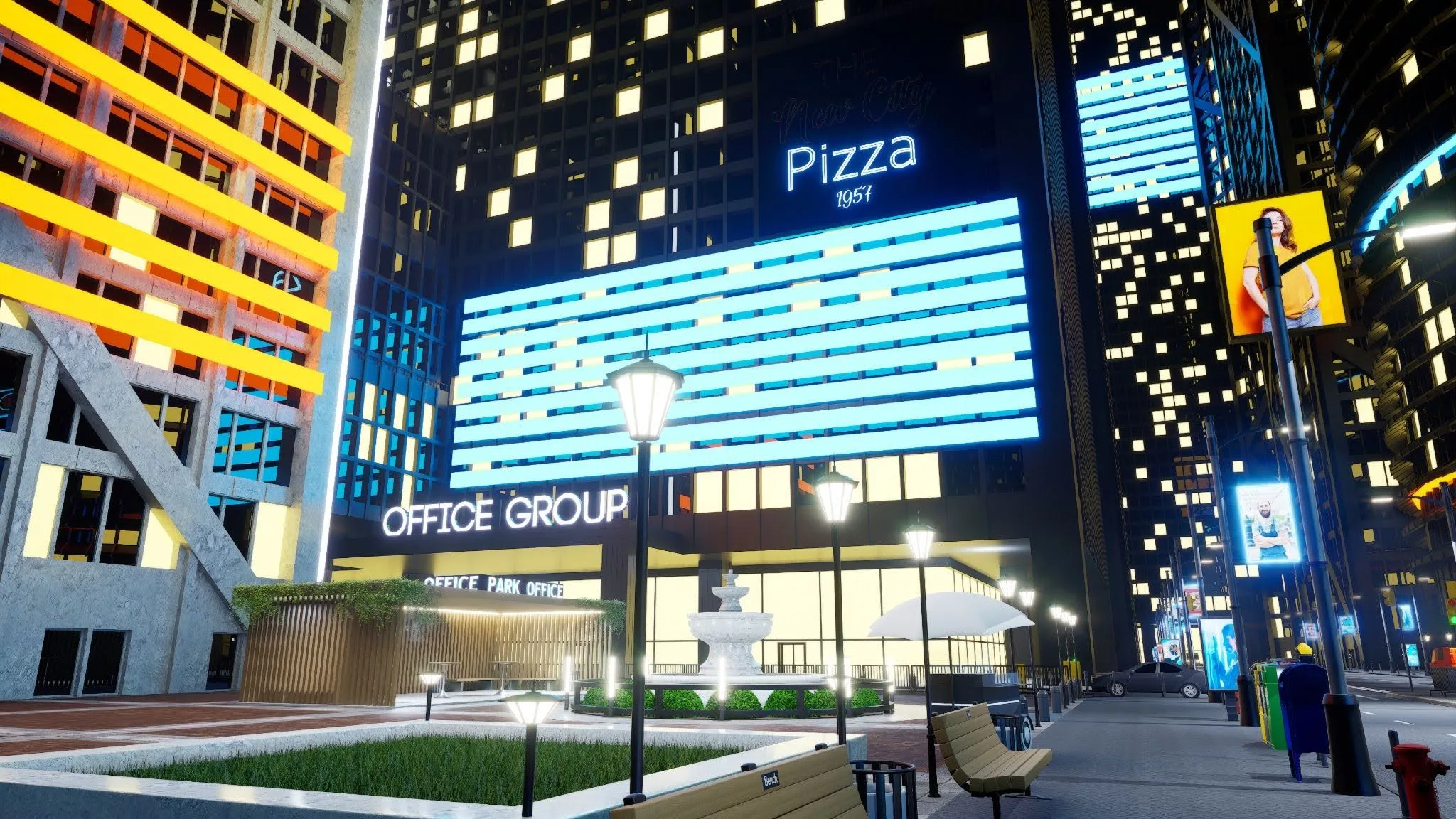
Outdoor LED displays must contend with:
- Direct sunlight
- Rain
- Heat
- Humidity
In Malaysia, where tropical weather conditions are common, outdoor digital signage display specifications require higher brightness levels and weather-resistant enclosures to maintain visibility and durability. Viewing distances are typically longer for outdoor LED signage, meaning larger pixel pitch can be appropriate without sacrificing image quality.
Structural considerations and maintenance access are also more complex for outdoor installations, particularly on:
- Building façades
- Roadside advertising sites
Pixel Pitch: The Specification Buyers Should Understand
Pixel pitch is the distance between adjacent LED pixels, measured in millimetres. To understand what is pixel pitch and why it matters, a smaller pitch generally provides finer detail at closer viewing distances, while larger pitches can be appropriate when viewers are further away.
Understanding pixel pitch helps businesses avoid overpaying for unnecessary image detail or choosing a display that looks pixelated at the intended viewing distance.
| Viewing situation | What to consider |
|---|---|
| People standing close to the display | Finer pixel pitch |
| Retail product display | Higher image detail |
| Corporate presentation | Fine detail and readability |
| Large outdoor display | Viewing distance becomes more important |
| Roadside advertising | Longer-distance visibility |
It is important to note that smaller pixel pitch is not automatically better.
The appropriate pitch depends on the viewing distance, content requirements and display size. Industry guides use rules of thumb, but the right specification also depends on viewing conditions and content type.
What Type of LED Display Does Your Business Need?
Different businesses and locations have different requirements for LED digital signage.
The table below offers a starting point for matching your business type to a potentially suitable LED display option.
| Business / Location | Potentially Suitable LED Type | Main Consideration |
|---|---|---|
| Retail store | Indoor LED | Close viewing and image detail |
| Shopping mall | Indoor LED | Viewing distance and ambient lighting |
| Corporate lobby | Fine-pitch indoor LED | Text and presentation quality |
| Restaurant | Indoor LED | Content visibility and viewing distance |
| Building exterior | Outdoor LED | Brightness and weather exposure |
| Roadside advertising | Outdoor LED | Long-distance visibility |
| Public venue | Depends on location | Audience distance and environment |
These recommendations are general guidance. The right choice depends on specific installation conditions, content and viewing requirements.
5 Factors to Consider Before Choosing an LED Display
1. Viewing Distance
The distance between the audience and the screen affects the appropriate pixel pitch.
A display intended for close viewing, such as a retail product display, requires finer pitch than a large outdoor screen viewed from across a street. For further guidance on how to pick the right digital signage screen size, the viewing distance should always be the starting point.
2. Indoor or Outdoor Environment
Environmental conditions change the requirements for brightness, weather resistance and structural support.
Outdoor displays in Malaysia need to account for heat, rain and humidity, while indoor displays can prioritise image detail and viewing comfort.
3. Content Type
Detailed content such as small text, product details, charts or high-resolution visuals may place greater demands on image clarity.
Large advertising graphics viewed from further away may have different requirements and can work well with larger pixel pitch.
4. Brightness and Ambient Light
A screen intended for a brightly lit environment needs to be evaluated differently from one installed in a controlled indoor environment.
Outdoor displays require significantly higher brightness to remain visible in direct sunlight.
5. Maintenance and Accessibility
Consider access for servicing, module replacement, cleaning and cable access.
Displays installed in hard-to-reach locations, such as high building façades, require careful planning for long-term maintenance and controller or media player access.
Common Mistakes When Choosing LED Digital Signage
Mistake 1: Choosing the Smallest Pixel Pitch
A smaller pitch is not automatically better.
The right pitch depends on the viewing distance and content requirements. Overpaying for fine pitch when viewers are far away wastes the budget.
Mistake 2: Choosing Based Only on Screen Size
A large screen with inappropriate specifications can still deliver a poor viewing experience.
Size should be matched to viewing distance, content and installation environment.
Mistake 3: Ignoring the Installation Environment
Indoor and outdoor displays have different environmental requirements.
Using an indoor display outdoors can lead to rapid failure, while outdoor displays used indoors may be unnecessarily expensive.
Mistake 4: Focusing Only on Initial Price
The decision should also consider installation costs, maintenance, content management, accessibility and long-term operation.
A lower upfront price can lead to higher total cost of ownership if the display is difficult to maintain or requires frequent servicing.
Mistake 5: Choosing Hardware Without Considering Content Management
An LED display is only one part of a digital signage system.
Businesses also need a way to manage, schedule and update the content being displayed. Without suitable digital signage software, even the best hardware can be difficult to use effectively.
How Digital Signage Software Fits Into an LED Display Setup
Hardware alone doesn’t manage content. Businesses need software to:
- Schedule content
- Update campaigns
- Manage multiple displays
- Control content remotely
- Monitor connected players
- Organise content across locations
Once the display hardware is selected, businesses should also consider how they will manage and update the content. BluPepper’s cloud-based content management system allows businesses to upload content, schedule playlists and monitor screen status from a single dashboard, making it straightforward to keep content fresh and relevant.
A Simple LED Digital Signage Checklist
Before choosing an LED display, ask:
- Where will the display be installed?
- Will it be indoors or outdoors?
- How far away will viewers typically stand?
- What type of content will be displayed?
- Does the environment have strong ambient light?
- Does the display need weather protection?
- How will the screen be maintained?
- How will content be updated?
- Will multiple screens need centralised management?
- What installation and infrastructure requirements need to be considered?
This checklist is particularly useful for commercial-intent users preparing to contact a supplier.
Final Thoughts
There is no single “best” LED digital signage display for every Malaysian business.
The right choice depends on the installation environment, viewing distance, content, brightness requirements, maintenance needs and overall deployment objectives.
Once the display hardware is selected, businesses should also consider how they will manage and update the content. A suitable digital signage platform can make this easier, particularly for businesses managing multiple screens or locations.
If you’re ready to explore LED digital signage options for your business, get in touch with the BluPepper team to discuss your LED digital signage requirements today.