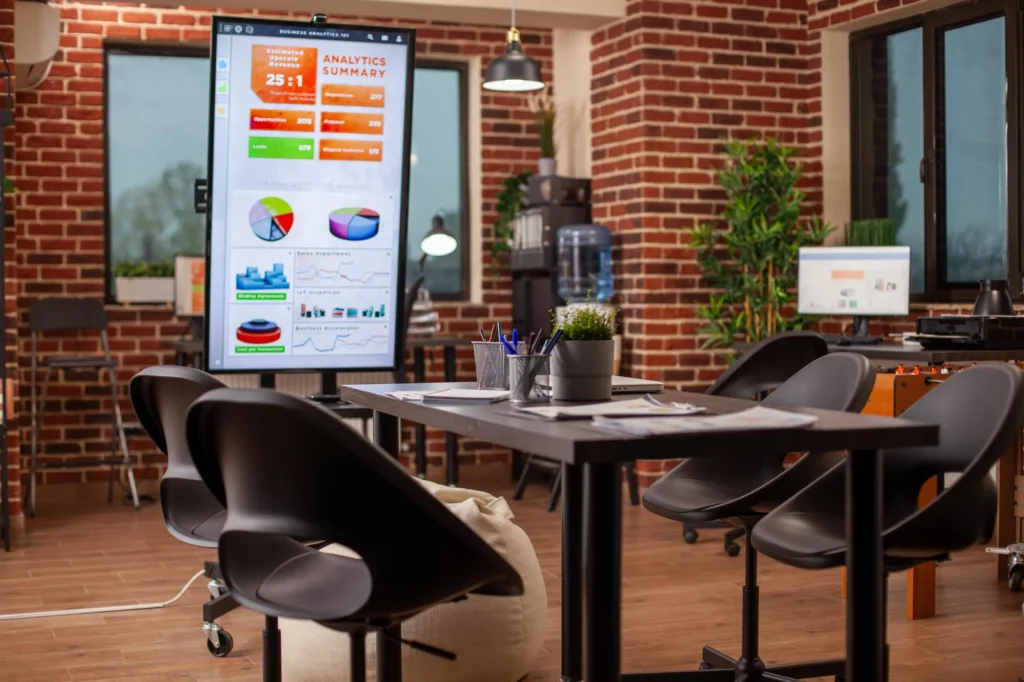
Office digital signage in Singapore improves internal communication by replacing scattered emails and printed notices with real-time, centrally managed screens that employees actually notice.
From lobby announcements to meeting room schedules, digital displays give companies a single, consistent channel for reaching staff across the office.
Key Takeaways
- Digital signage centralises internal updates, reducing reliance on emails that often go unread.
- Content can be scheduled and updated in real time across every screen in the office at once.
- Cloud-based systems allow different zones to show relevant content for that space.
- Many offices in Singapore can start with existing TV screens rather than investing in new hardware.
Your Inbox Is Not Working Anymore
Most offices in Singapore run on email and chat apps for internal updates. The problem is that both channels are easy to ignore.
An important HR announcement can sit unread for days, buried under meeting invites and client threads.
Digital signage solves this by putting information somewhere employees cannot scroll past. A screen in the lobby, pantry or lift landing is seen simply by walking through the office, without anyone needing to open an app first.
This is one of the clearest reasons office digital signage in Singapore has moved beyond retail and hospitality into everyday corporate use. It is not about advertising to customers. It is about reaching your own people.
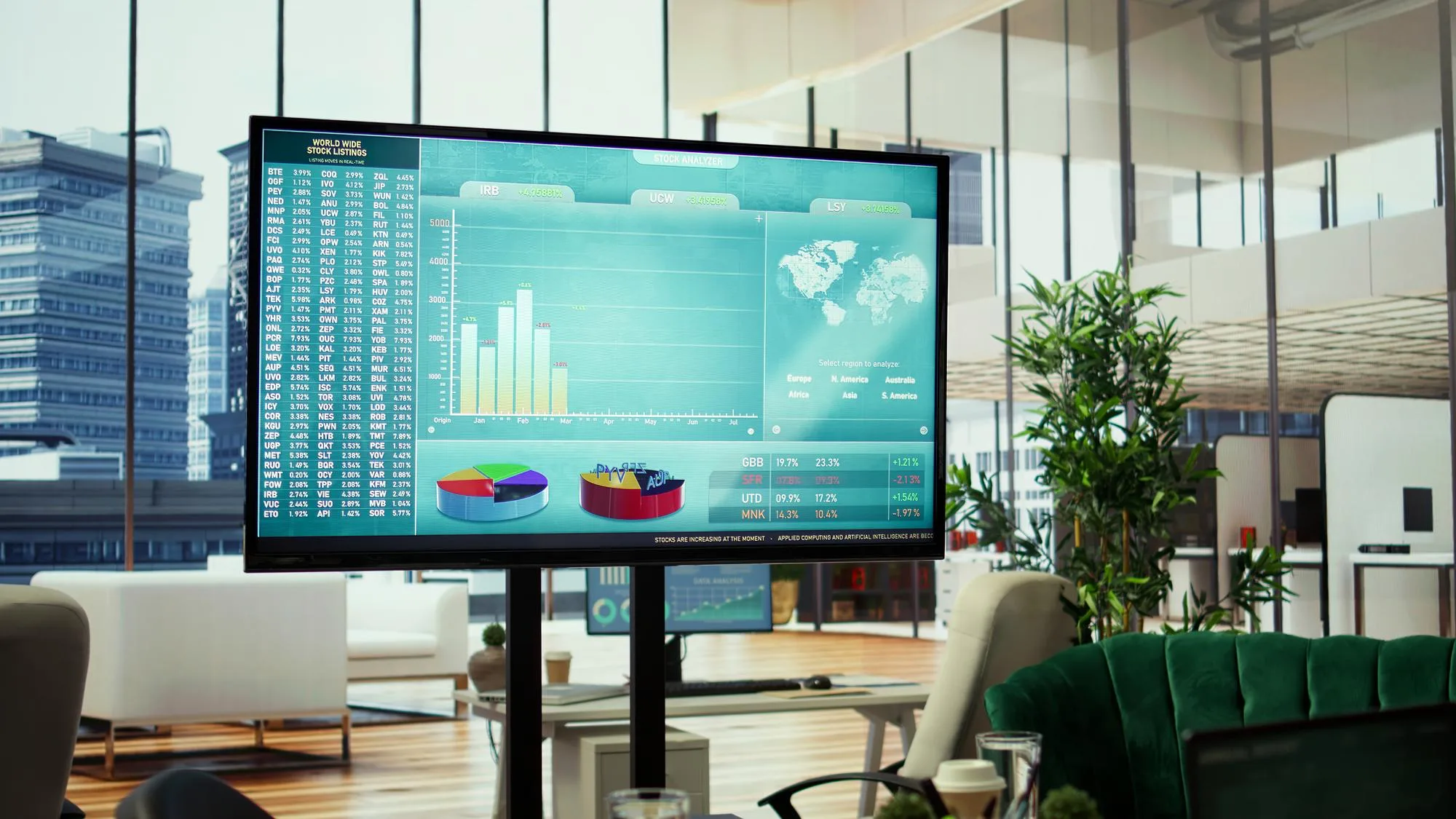
One Dashboard, Every Screen Updated
A single announcement can look different depending on who forwards it, when they see it and whether they bother reading the whole message.
With a cloud-based content management system, one update can be pushed to every connected screen in the office at the same time.
This matters more than it sounds. Consider what changes when updates are centralised:
| Without Centralised Signage | With Cloud-Based Digital Signage |
|---|---|
| Updates sent separately by email, chat and printed notices | One update published from a single dashboard |
| Different teams see different versions of the same message | All screens display the same content simultaneously |
| Manual follow-up needed to confirm staff have seen it | Content stays visible until removed or replaced |
| Urgent notices can get lost among routine emails | Priority messages can be scheduled to appear immediately |
This kind of consistency is particularly useful for companies with several floors or departments, where messaging can otherwise drift out of sync between teams.
The Right Message, In the Right Room
Not every announcement belongs in every part of the office. A reminder about a client meeting has no place on a pantry screen, and a canteen menu does not belong in a boardroom.
This is where zoning becomes useful. A good digital signage setup lets different screens show different content depending on where they sit.
Lobby and Reception Screens
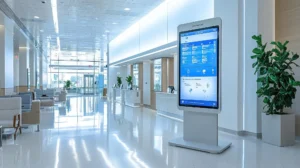
These usually carry company news, visitor welcome messages or brand content, giving guests and new staff a sense of what the organisation is about the moment they walk in.
Meeting Room Displays
Screens outside or inside meeting rooms can show booking schedules, helping employees see at a glance which rooms are free without having to check a separate app.
Pantry and Break Room Screens
These spaces suit lighter content such as event reminders, wellness tips or recognition posts, since staff tend to glance at them while relaxed rather than working.
Corridor and Lift Lobby Screens
High-traffic transit points are well suited to short, repeating messages such as safety reminders, IT notices or upcoming deadlines that need repeated visibility.
Managed properly, this zoning turns a handful of screens into a coordinated internal communication network rather than a row of disconnected televisions.

Screens Draw Eyes Better Than Paper
Printed notices on noticeboards tend to become part of the background within days. People stop noticing them the same way they stop noticing old posters.
Screens behave differently because they move. A rotating slide, a countdown to an event or a scrolling ticker naturally draws the eye in a way static paper cannot.
This is particularly useful for content that needs repeated exposure, such as reminders about upcoming town halls, recognition of team milestones, safety and compliance messages that need regular reinforcement, or live updates such as weather and time.
Because content can be scheduled in advance, HR and internal comms teams can set reminders to appear closer to an event date, then automatically switch to the next message once it has passed.
You Do Not Need New Screens to Start
One assumption that puts companies off exploring office digital signage in Singapore is the idea that it requires expensive, proprietary hardware.
In many cases, that is not necessary. Existing commercial or consumer televisions already installed in meeting rooms, lobbies or break areas can often be turned into digital signage displays through cloud-based software, without replacing the screens themselves.
This lowers the barrier for offices that want to test internal digital signage before committing to a larger rollout across every floor.
It also means budgets can be directed towards content and software rather than hardware alone, which tends to matter more for day-to-day communication quality.
Less Guessing, More Knowing What Worked
One quiet advantage of digital signage over printed notices or emails is visibility: a proper content management system reports which screens are online, what played, and whether updates went out as scheduled.
This does not replace employee feedback, but it removes the guesswork over whether a message physically appeared, giving comms teams a basic layer of accountability across multiple departments and locations.
Internal communication in Singapore offices should not rely on unread emails or noticeboards nobody looks at twice. A well-planned digital signage setup, backed by a reliable cloud platform, helps companies reach employees consistently across lobbies, meeting rooms and shared spaces.
Visit Blupepper to learn more about office digital signage in Singapore.